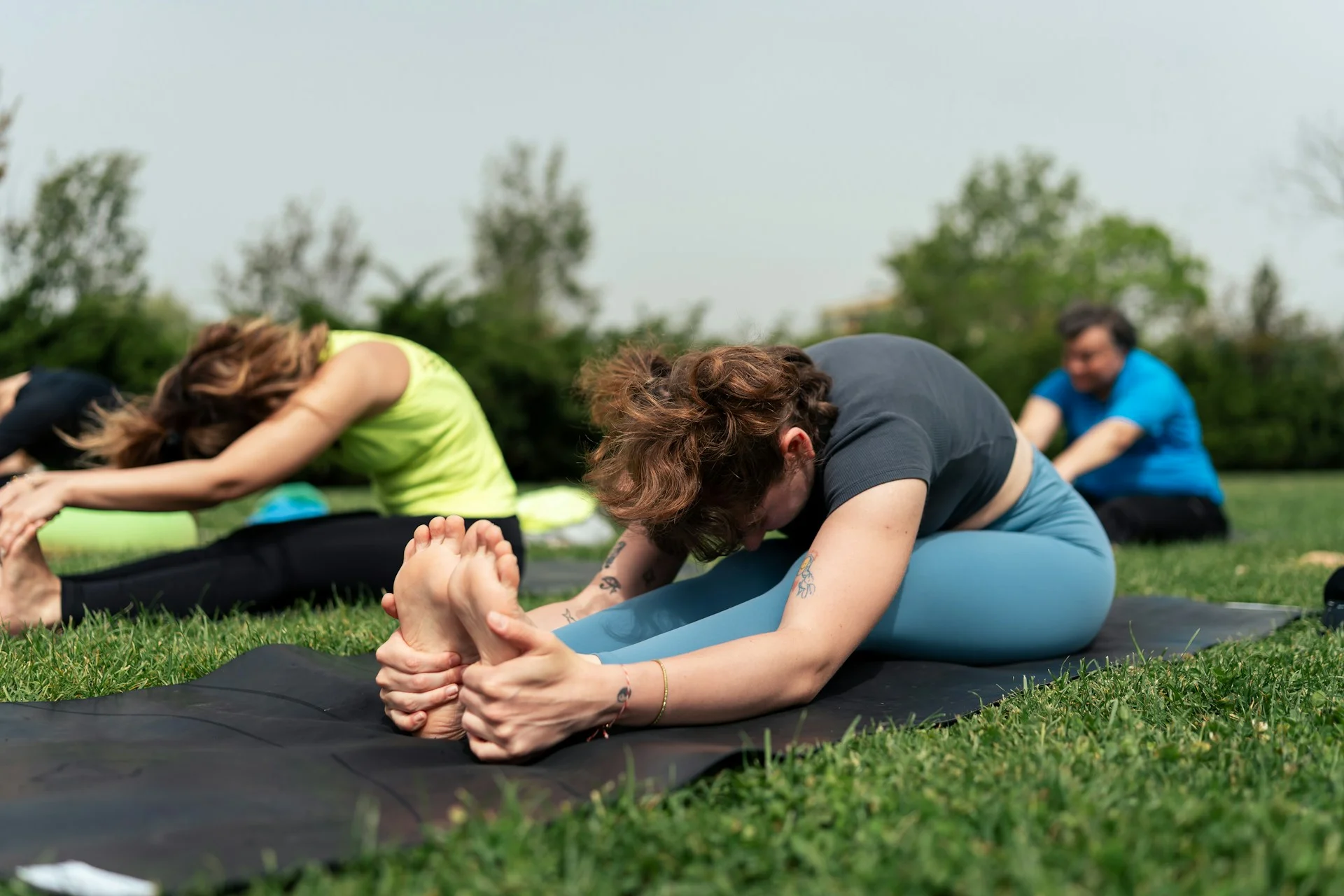
A lot of people put off booking their first yoga retreat because they assume retreats are only for advanced practitioners who can already fold into a hanumanasana or sit in silence for an hour without fidgeting. That assumption keeps a lot of beginners on the sidelines, scrolling through retreat listings, adding them to a wishlist, and never actually booking.
Here’s the truth: the best yoga retreats for beginners are not watered-down versions of “real” retreats. A well-designed beginner-friendly yoga retreat gives you more support, more modifications, and often a gentler pace than a regular studio class back home. The key is knowing what to look for before you hand over your deposit.
If you’re trying to figure out how to choose a yoga retreat that actually fits your level, here’s a complete breakdown of what matters, what to ask, and what to avoid.
Why beginners hesitate to book a retreat
“I’m not flexible enough”
This is the single biggest myth in yoga, and it shows up constantly in retreat FAQs. Flexibility is not a prerequisite for yoga, it’s a result of practice. A quality beginner yoga retreat is built around alignment and breath, not how deep you can go into a pose. If a retreat only looks appealing to people who are already flexible, it hasn’t been designed with beginners in mind.
“Everyone else will be more experienced”
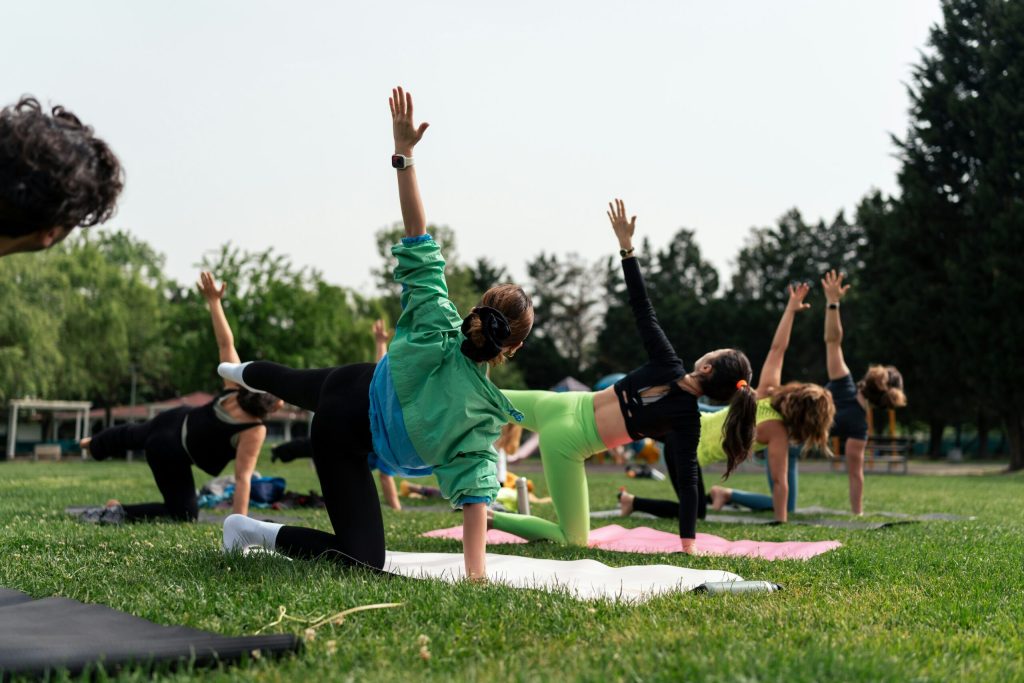
Most first-time retreat guests assume this and are usually surprised to find a genuine mix of levels: complete beginners, people returning to their mat after years off, and long-time practitioners all in the same room. A retreat with a wide range of experience levels is actually a good sign. It usually means the sessions are designed with modifications built in, not aimed at only one skill level.
“What if I can’t keep up with the schedule?”
This fear is valid, but it points to a retreat design issue, not a personal shortcoming. Retreats with back-to-back sessions and zero rest time are hard for anyone, beginner or advanced. The retreats worth booking build in unstructured time on purpose.
“Everyone else will be more experienced”
Most first-time retreat guests assume this and are usually surprised to find a genuine mix of levels: complete beginners, people returning to their mat after years off, and long-time practitioners all in the same room. A retreat with a wide range of experience levels is actually a good sign. It usually means the sessions are designed with modifications built in, not aimed at only one skill level.
What actually makes a retreat “beginner-friendly”
Not every retreat that says “all levels welcome” in its marketing copy is genuinely built for beginners. Here’s what separates a real beginner-friendly yoga retreat from one that just says it is.
The teacher’s experience and teaching style
Look at who is actually leading the sessions. A teacher with recognised certification and years of hands-on teaching experience will know how to cue modifications in real time, adjust a pose for someone’s specific body, and explain the why behind alignment, not just demonstrate a shape and expect you to copy it. Ask how many years the teacher has been teaching, how many students they’ve worked with, and whether their classes cater to complete beginners as well, and not just intermediate or advanced groups.
Class structure with built-in modifications
A genuinely beginner-friendly retreat doesn’t have a separate “beginner track” tucked in the corner. Instead, every pose in the main session is taught with options, so someone new to yoga and someone who’s practised for a decade can be in the same room, doing the same sequence, at their own edge. Hatha and Vinyasa styles that emphasise alignment and breath tend to be more approachable for beginners than fast-paced power yoga or advanced Ashtanga sequences.
Small group size
The number of people in a session directly affects how much individual attention you get. A retreat capped at maybe 40 guests allows the teacher to actually see you, offer corrections, and answer questions. A retreat with 100+ attendees and one instructor is closer to a yoga festival than a personalised retreat experience, which matters a lot more when you’re still learning the basics.
A pace that includes rest, not just activity
This is the detail beginners overlook most often. A retreat schedule that’s beginner-friendly isn’t just gentle in the yoga room, it’s gentle in its overall pacing. Look for retreats that build in free time between sessions, don’t over-schedule every hour of the day, and treat rest as part of the program rather than dead time to fill with more activities.
If you’d like to experience what a genuinely beginner-paced retreat feels like, from alignment-focused Hatha-Vinyasa sessions to unhurried free time, you can see the full retreat details here.
The beginner’s checklist: questions to ask before you book
Before booking any yoga and meditation retreat, run it through this checklist. These are the exact questions that separate a retreat you’ll thrive at from one that leaves you overwhelmed.
- What yoga styles are taught – Look for Hatha, gentle Vinyasa, or restorative yoga rather than Ashtanga, Power Yoga, or Advanced Vinyasa.
- How many sessions are scheduled per day- Two sessions of 60 to 90 minutes (morning and evening) is a realistic, sustainable rhythm for beginners.
- Is there guided breathwork and meditation, or just physical postures? – A well-rounded retreat introduces pranayama and meditation gently, which is often easier for beginners to grasp than complex physical postures.
- What is the maximum group size? – Smaller is almost always better for a first retreat.
- Are meals included? – Sattvic vegetarian meals are traditional at most yoga and wellness retreats in India and tend to be easy on the stomach, an important detail if you’re also adjusting to a new environment.
- What is the accommodation like? – Twin or triple-sharing rooms are common and are a good way to meet people if you’re travelling solo. Some places also provide single rooms.
- Where is the retreat located & how to get there? Retreats in the foothills of the Himalayas, in Kerala, Rishikesh, or Goa each offer a different pace, climate, and landscape, worth factoring into your decision.
Red flags to watch for
Just as important as knowing what to look for is knowing what to avoid when researching a beginner yoga retreat.
- Vague or missing information about the teacher: If a retreat page doesn’t tell you who’s actually teaching, their qualifications, or their teaching background, that’s a gap worth questioning.
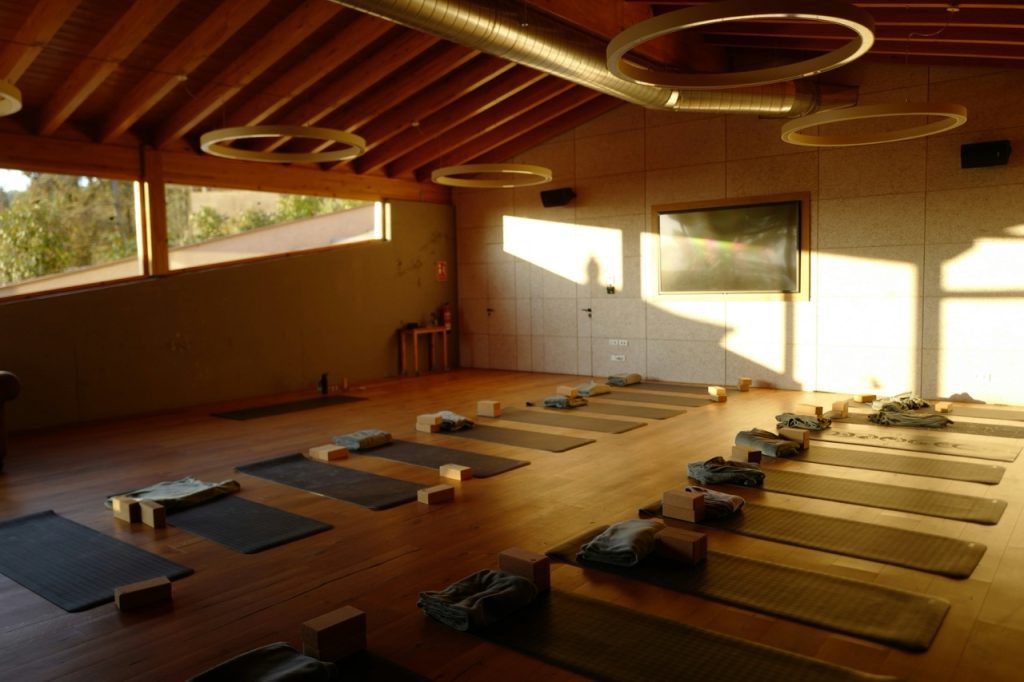
- Overpacked, hour-by-hour itineraries. A schedule crammed with back-to-back activities from sunrise to sunset leaves no room to actually absorb what you’re learning, or simply rest.
- Unusually large group sizes with a single instructor. More than 60 participants per teacher makes it difficult to receive any individual guidance, something beginners need most.
- No clarity on what’s included. If pricing doesn’t clearly separate what’s covered (meals, accommodation, sessions, therapies) from what’s not (flights, transfers, personal spending), you’re likely to be surprised by hidden costs later.
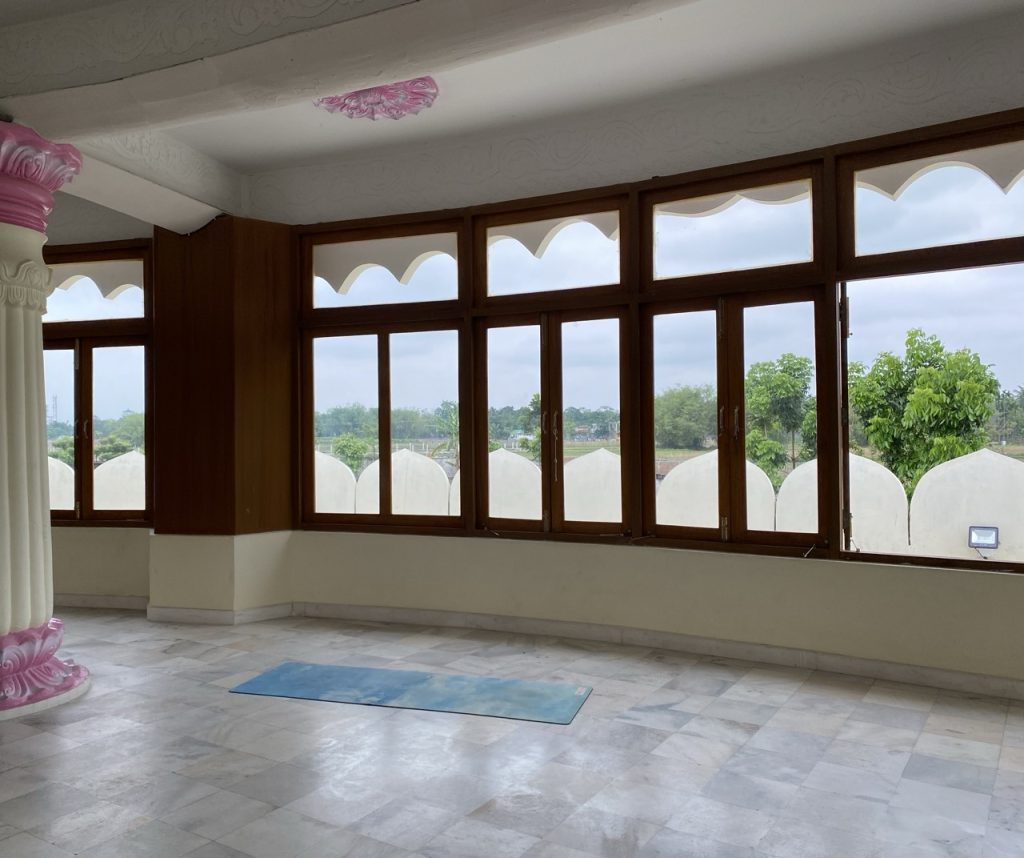
Yoga retreat in the foothills of Darjeeling
Where to go: choosing a location that matches your beginner journey
India remains one of the most popular destinations for a first yoga retreat, and for good reason. It’s the birthplace of the practice, and many retreats here are rooted in traditional teaching rather than a purely fitness-driven approach.
Rishikesh, on the banks of the Ganges, is often called the birthplace of modern yoga and has the highest concentration of ashrams and retreat centres in the country.
Kerala pairs yoga with Ayurveda, making it a strong choice if you want your retreat to double as a deeper wellness reset.
Goa offers a more relaxed, beach-adjacent retreat experience, popular for shorter weekend formats.
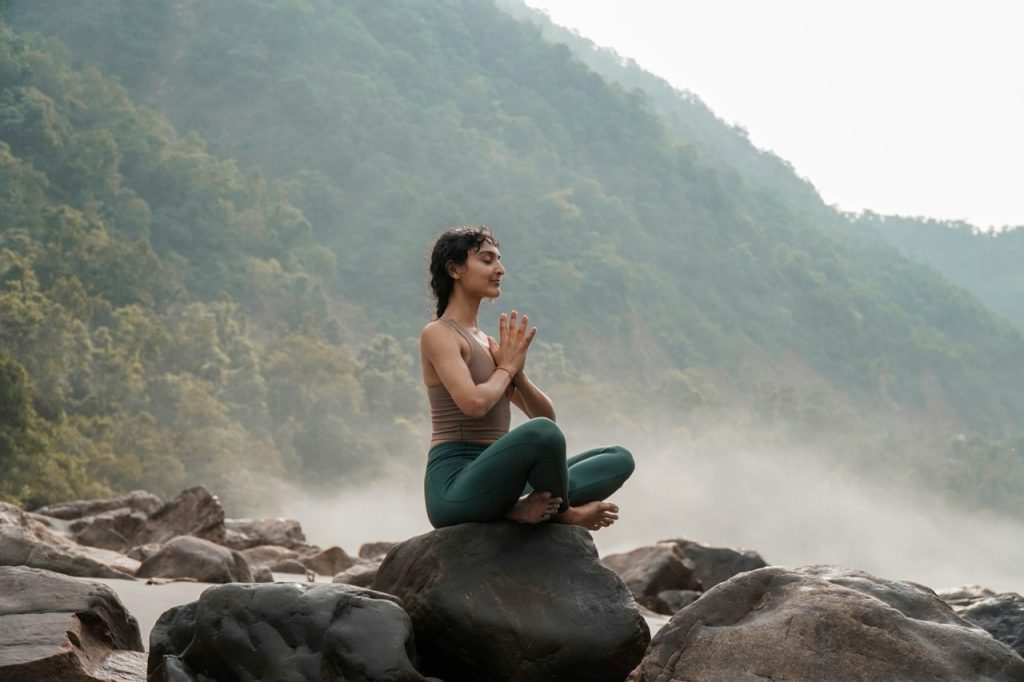
The foothills of the Himalayas offer a quieter, less touristy alternative to Rishikesh, with the same mountain calm, but smaller, more intimate retreat groups.
If a retreat in the Himalayan foothills, with beginner-friendly Hatha-Vinyasa sessions, sattvic meals, and an unhurried pace, sounds like what you’ve been looking for, this is exactly what’s been built into the retreat happening this Septemper in Siliguri, West Bengal.
Choosing your path: what matters most
The question isn’t whether you’re “ready” for a yoga retreat. If you can breathe, you’re ready. The real question is whether the retreat you’re considering has been designed to meet you where you are, with a teacher who understands beginner needs, a group size that allows real attention, a pace that respects rest, and a location that feels right for you.
A genuinely beginner-friendly retreat won’t ask you to arrive with any particular skill level. It will ask you to arrive with curiosity and a willingness to be a little uncomfortable in the way that any new experience is uncomfortable, and nothing more.
Join the 5 day Yoga & Meditation retreat in the Foothills of Darjeeling.
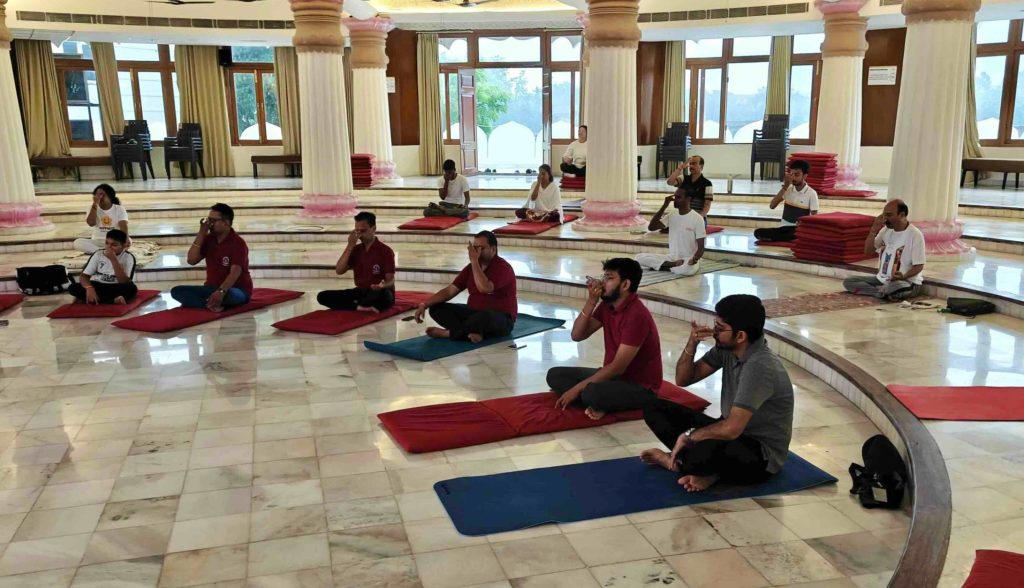
September 2026 in Siliguri, West Bengal
Beginner-friendly Hatha and Vinyasa sessions, guided meditation and pranayama, sattvic vegetarian meals, an included Ayurvedic massage, and an intentionally unhurried schedule with no pressure to keep up.


