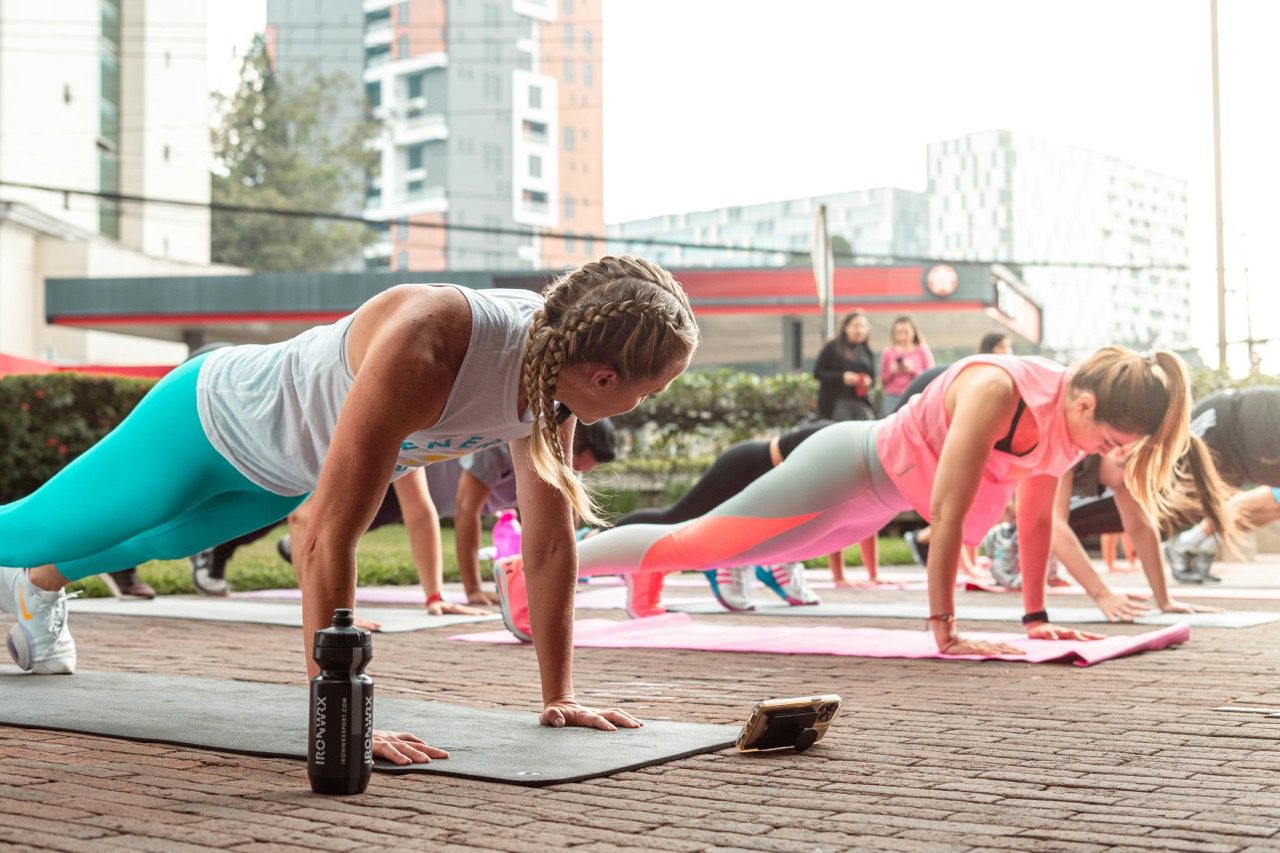
When people first explore mind-body fitness options, yoga and Pilates often appear side by side on studio schedules. Both practices emphasize controlled movement, breath awareness, and the connection between physical and mental wellbeing. This proximity naturally leads to the question: are they essentially the same thing?
The short answer is no, though both offer valuable pathways to better health and movement. Understanding what makes each practice unique can help you choose the approach that resonates with your needs, or even discover how they might complement each other in your wellness journey.
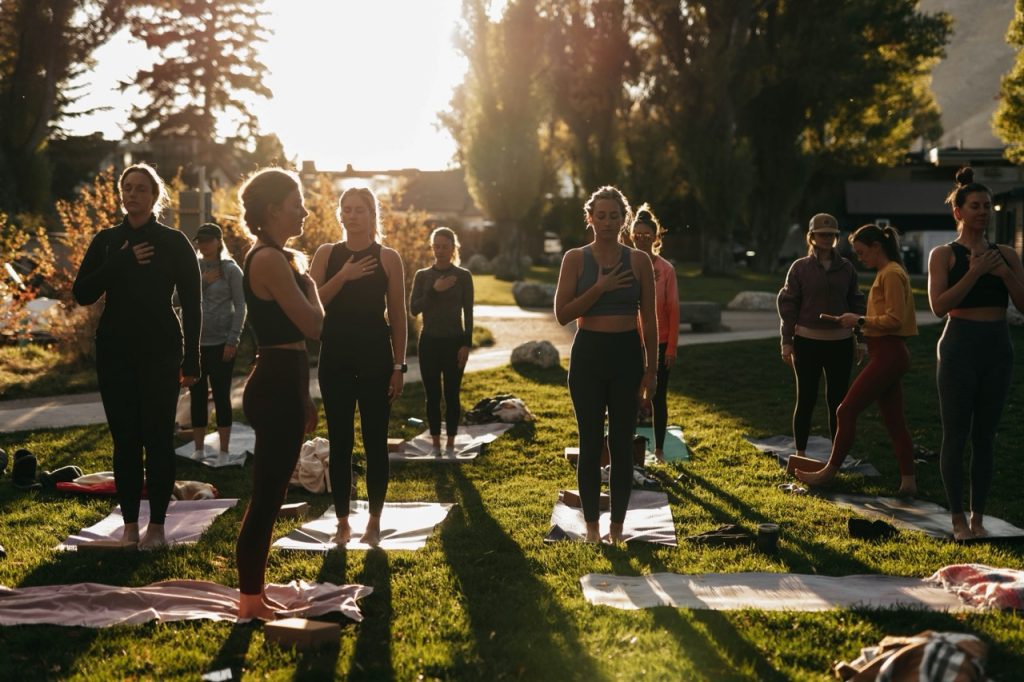
The origins: ancient tradition meets modern innovation
Yoga’s timeless foundation
Yoga emerged over 5,000 years ago in ancient India as a comprehensive system for physical, mental, and spiritual development. The practice we see today represents just one aspect of this rich tradition. The physical postures, known as asanas, are part of a much broader framework designed to cultivate awareness, inner peace, and ultimately, self-realization.
The word “yoga” derives from the Sanskrit root “yuj,” meaning to unite or join. This reflects the practice’s fundamental aim: creating harmony between body, mind, and consciousness. While modern fitness culture often emphasizes the physical benefits of yoga, the traditional approach encompasses meditation, ethical guidelines, breath control, and contemplative practices alongside physical movement.
Classical texts like Patanjali’s Yoga Sutras outline an eight-limbed path that provides a complete blueprint for living with intention and awareness. These limbs extend far beyond the mat and into every aspect of daily life.
Pilates: Purpose-built for physical conditioning
Pilates was developed in the early 20th century by Joseph Pilates, a German physical trainer working with injured soldiers during World War I. He created a system of exercises and specialized equipment to help bedridden patients maintain muscle tone and accelerate recovery. His method, originally called “Contrology,” focused on precise, controlled movements that built core strength and improved overall body mechanics.
After immigrating to New York in the 1920s, Joseph Pilates opened a studio that quickly attracted dancers, athletes, and performers seeking effective rehabilitation and conditioning. The method gained popularity because it delivered measurable results while being gentle on the joints and spine.
Unlike yoga’s holistic spiritual framework, Pilates was designed specifically as a physical fitness and rehabilitation system. While Joseph Pilates believed that physical health supported mental clarity and emotional balance, his method centers primarily on biomechanics, alignment, and functional movement patterns.
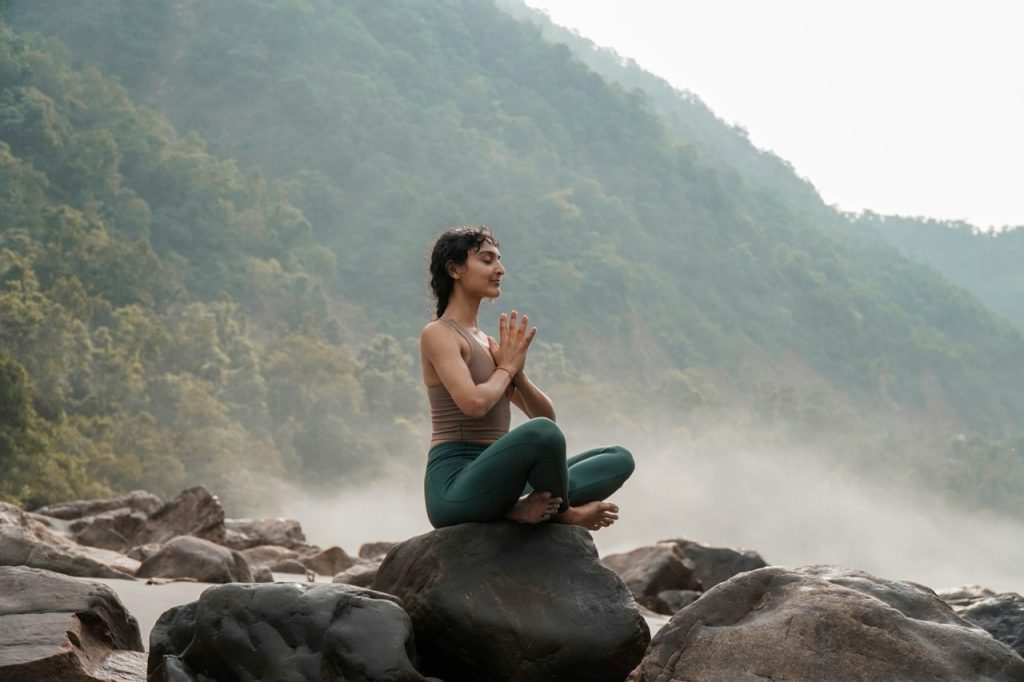
Understanding the eight limbs of yoga
To truly grasp why yoga differs from purely physical exercise systems, we need to understand its complete framework. Patanjali’s eight limbs of yoga offer a comprehensive path that extends far beyond physical postures:
Yama (Ethical Standards): These five principles guide our relationship with others, including non-violence (ahimsa), truthfulness (satya), non-stealing (asteya), moderation (brahmacharya), and non-possessiveness (aparigraha). These ethical foundations inform how we move through the world.
Niyama (Self-Discipline): These five personal observances include purity (saucha), contentment (santosha), self-discipline (tapas), self-study (svadhyaya), and surrender to a higher purpose (ishvara pranidhana). They guide our internal development and personal practices.
Asana (Physical Postures): The third limb encompasses the physical practice most people associate with yoga. Asanas prepare the body for meditation by building strength, flexibility, and stability while cultivating body awareness.
Pranayama (Breath Control): The fourth limb involves conscious breathing techniques that regulate energy flow, calm the nervous system, and connect physical practice with deeper awareness.
Pratyahara (Withdrawal of Senses): This practice involves turning attention inward, withdrawing from external distractions to cultivate inner awareness and equanimity.
Dharana (Concentration): The sixth limb develops the ability to focus the mind on a single point, object, or idea without distraction.
Dhyana (Meditation): Building on concentration, meditation is the continuous flow of awareness toward the object of focus, creating a state of uninterrupted contemplation.
Samadhi (Absorption): The final limb represents a state of complete absorption where the practitioner experiences unity with the object of meditation and a profound sense of interconnection.
This framework reveals that yoga encompasses far more than physical exercise. The asanas many people practice in studios represent just one limb of a comprehensive system for transformation and self-understanding.
The physical practice: different approaches to movement
Yoga asanas and sequences
Yoga practice involves moving through postures that challenge strength, flexibility, balance, and coordination. These asanas range from accessible foundational poses to advanced variations that require years of dedicated practice. Postures may be held for several breaths, allowing time to deepen into the shape and observe sensations, or linked together in flowing sequences that build heat and cardiovascular endurance.
The variety within yoga asana practice is remarkable. Standing poses build leg strength and stability. Seated postures open the hips and create space in the lower body. Twists promote spinal mobility and support digestive health. Backbends energize and open the front body. Forward folds calm the nervous system and stretch the posterior chain. Inversions shift perspective and build confidence.
Different styles of yoga emphasise various aspects of practice. Hatha yoga focuses on foundational alignment and breath. Vinyasa links breath with movement in dynamic sequences. Yin yoga holds poses for extended periods to work with connective tissue. Restorative yoga uses props to support deep relaxation. Each style offers unique benefits while remaining rooted in the traditional framework. If you’re unsure which style suits you best, personalised guidance can help you find your path faster. Book a class to explore what works for your body and goals.
Working individually with an experienced teacher through Yoga 1-1 training can help you understand proper alignment for your unique body structure and develop a practice that serves your specific needs. This personalised approach ensures you build a strong foundation while respecting your body’s current capabilities and limitations.
Pilates exercises and equipment
Pilates consists of controlled, precise movements that emphasize core engagement, spinal articulation, and proper alignment. Most exercises are performed in stable positions such as lying down, seated, or on hands and knees. This stability allows complete focus on engaging the correct muscles and moving with intention and control.
The practice places significant emphasis on what Joseph Pilates called the “powerhouse,” the deep core muscles including the abdominals, lower back, hips, and glutes. Nearly every exercise requires maintaining core engagement while moving the limbs, which builds functional strength that transfers directly to daily activities and other fitness pursuits.
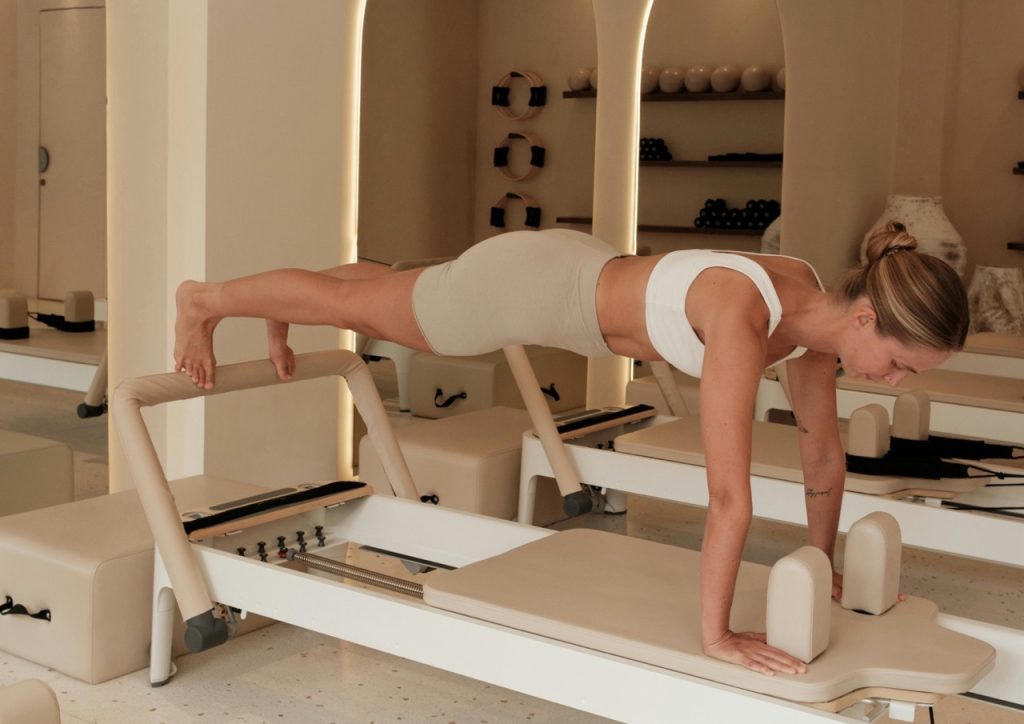
Mat Pilates uses body weight for resistance, similar to yoga. However, Pilates also incorporates specialized equipment like the Reformer, Cadillac, Wunda Chair, and Ladder Barrel. These machines use springs to create variable resistance, providing assistance for beginners or additional challenge for advanced practitioners. The equipment offers immediate feedback about alignment and helps isolate specific muscles more effectively than mat work alone.
The movements in Pilates are generally smaller and more targeted than yoga asanas, with emphasis on quality of movement rather than quantity of repetitions. You might perform 5-10 repetitions of an exercise with perfect form, focusing on control throughout the entire range of motion.
Breathing: Two Distinct Techniques
Yogic Breathing (Pranayama)
In yoga, breath control is considered as important as physical postures. Pranayama practices include numerous techniques, each creating different effects on the nervous system and energy levels. Some practices energize and invigorate, while others calm and cool the body and mind.
The most common breathing pattern in physical yoga classes is ujjayi breath, a technique that creates a soft sound in the back of the throat while maintaining a steady, rhythmic quality. This breath helps maintain focus and regulates the pace of movement through sequences.
Other pranayama techniques include alternate nostril breathing (nadi shodhana) for balance, breath of fire (kapalabhati) for energy, cooling breath (sitali) for reducing heat, and breath retention practices for building capacity and focus. These techniques can be practiced independently of physical postures as powerful tools for self-regulation.
In many yoga styles, the breath leads the movement. An inhale might accompany an expansive or lifting movement, while exhales support folding, twisting, or grounding actions. This synchronization creates a meditative quality and helps prevent holding the breath during challenging moments.
Pilates Breathing
Pilates employs lateral thoracic breathing, also called intercostal or rib breathing. This technique involves breathing deeply into the sides and back of the ribcage while maintaining core engagement. This approach allows practitioners to keep the abdominal muscles contracted throughout exercises, which is essential for spinal support and proper form.
The breath pattern in Pilates is carefully prescribed for each exercise. Typically, you inhale during the preparation or easier phase of a movement and exhale during the more challenging phase. This rhythm helps maintain control and uses the exhale to deepen core engagement and stability.
While pranayama in yoga is sometimes practiced as a standalone discipline, Pilates breathing remains integrated with physical movement. The breath supports the exercise but serves primarily as a tool for maintaining engagement and control rather than as a separate practice for energy regulation or meditation.
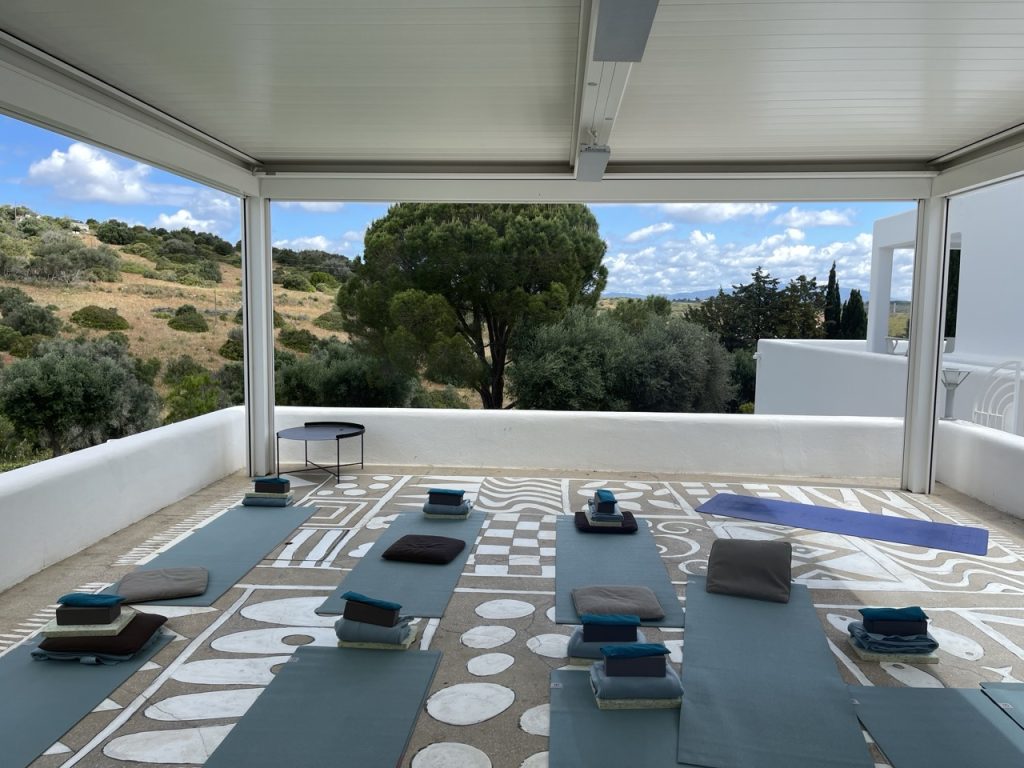
The benefits: Complementary paths to wellbeing
Shared benefits of both practices
Both yoga and Pilates cultivate body awareness, helping practitioners understand movement patterns, identify areas of tension, and recognize postural habits. This awareness often translates to improved posture and reduced pain in daily activities.
Flexibility improves with regular practice of either discipline. Both help counteract the stiffness that results from sedentary lifestyles and repetitive movement patterns. Core strength increases substantially with both practices, as both emphasize engaging the deep stabilizing muscles that support the spine and improve overall movement quality.
Neither practice requires high-impact movements like jumping or running, making them accessible for people with joint concerns or those recovering from injury. The controlled nature of both disciplines allows practitioners to work at their own pace and modify exercises according to current needs and abilities.
The unique benefits of yoga
Yoga excels at developing flexibility throughout the body, particularly in areas that become restricted from modern lifestyles. The sustained holds in poses allow connective tissue to release gradually, creating lasting changes in range of motion. Hip openers, hamstring stretches, and shoulder work address common areas of restriction for most people.
Balance and proprioception improve significantly through yoga’s standing poses and balancing postures. These challenges train the nervous system to respond to instability, reducing fall risk and improving coordination in all activities.
The stress reduction benefits of yoga are well-documented. The combination of physical movement, breath awareness, and meditative elements activates the parasympathetic nervous system, reducing cortisol levels and promoting relaxation. Regular practice can help manage anxiety, improve sleep quality, and enhance overall mental and emotional wellbeing.
Beyond the physical practice, yoga offers tools for navigating life’s challenges through its ethical framework, breathing techniques, and meditation practices. The yamas and niyamas provide guidelines for relationships and personal conduct. Pranayama offers techniques for managing stress and energy. Meditation and mindfulness practices cultivate present-moment awareness that extends beyond the mat into daily life.
The unique benefits of pilates
Pilates builds core strength more directly and efficiently than most exercise systems. The targeted exercises specifically challenge the deep stabilizers, creating a strong foundation for all movement. This core work particularly benefits people with back pain or those recovering from injury.
Postural improvement happens efficiently through Pilates because every exercise emphasizes spinal alignment and shoulder placement. The practice retrains movement patterns that contribute to pain and dysfunction. Many practitioners notice improved posture and more graceful movement after consistent practice.
Muscle tone and definition develop through Pilates’s emphasis on eccentric contractions, where muscles lengthen under tension. These movements create lean, elongated muscles without excessive bulk. This quality makes Pilates particularly popular among dancers who need strength without compromising flexibility and line.
The rehabilitative quality of Pilates makes it valuable for injury recovery. Physical therapists often incorporate Pilates exercises because they allow progressive loading of healing tissues. The controlled movements build strength without risking re-injury, making it safer than many other fitness approaches during recovery phases.

Choosing your path: What resonates with you?
The question isn’t which practice is better, but rather which approach aligns with your current needs, interests, and goals. Both offer genuine benefits for physical health and movement quality.
When Yoga might resonate
If you’re seeking a practice that extends beyond physical fitness into mental, emotional, and potentially spiritual development, yoga offers this comprehensive framework. The eight limbs provide guidance not just for movement but for living with greater awareness and intention.
Those drawn to meditation, breath work, and contemplative practices will find these elements woven throughout traditional yoga. The practice offers tools for stress management, self-reflection, and cultivating inner peace that complement the physical benefits.
If flexibility, balance, and variety in physical practice appeal to you, yoga’s diverse range of styles and approaches provides endless exploration. The practice can be adapted to meet your energy level on any given day, from gentle restorative sessions to vigorous, challenging classes.
When Pilates might be your focus
If your primary goals center on rehabilitation, core strengthening, postural improvement, and precise movement mechanics, Pilates provides a direct, efficient path. The method delivers measurable physical results relatively quickly.
Those who prefer a straightforward, exercise-focused approach without spiritual or philosophical elements may find Pilates more comfortable. The practice emphasizes tangible physical outcomes and biomechanical precision.
Athletes seeking cross-training, people recovering from injuries, and anyone dealing with chronic back pain often find Pilates particularly beneficial. The method’s rehabilitative focus and emphasis on proper movement patterns address these specific needs effectively.
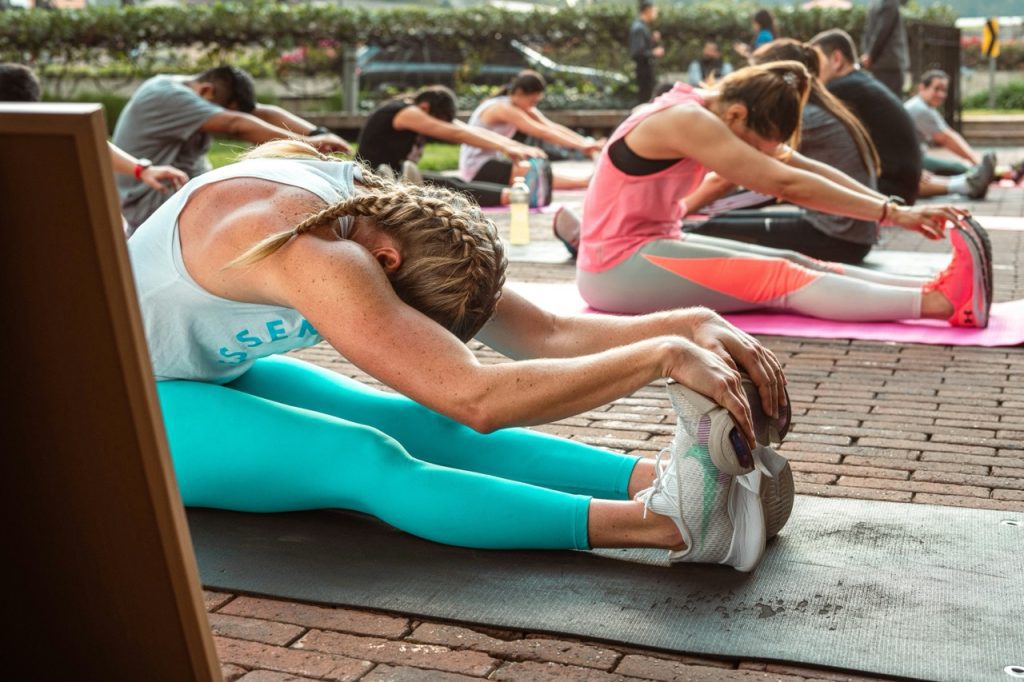
Can these practices coexist? Absolutely.
Many practitioners find that yoga and Pilates complement each other beautifully. You might practice Pilates for core strengthening and rehabilitation while incorporating yoga asanas for flexibility and balance work. Or you could focus primarily on Pilates for the physical aspects of fitness while drawing on the other limbs of yoga for breath work, meditation, and ethical guidance in daily life.
This is an important point worth exploring further. If Pilates addresses your physical conditioning needs effectively, you’re not abandoning yoga by choosing it. You’re simply focusing on the third limb, asana, through a different methodology. The other seven limbs of yoga remain available to you as powerful tools for personal development.
You might practice pranayama breathing techniques in the morning to start your day with clarity. You could incorporate the yamas and niyamas as ethical guidelines in your relationships and work. Meditation practice can be developed independently of physical movement. The withdrawal of senses, concentration, and meditative absorption can be cultivated through seated practice, walking meditation, or contemplative inquiry.
This integrated approach recognizes that movement is important, regardless of the specific form it takes. Your body needs regular, mindful movement to stay healthy, mobile, and strong. Whether that movement comes from yoga asanas, Pilates exercises, or another discipline is less important than the consistency and intention you bring to it.
What makes yoga unique among movement practices is its comprehensive framework that extends far beyond the physical. By engaging with multiple limbs of yoga, even while doing Pilates or other forms of exercise for your physical practice, you’re still walking a yogic path. You’re cultivating awareness, practicing ethical living, working with your breath and energy, and developing your capacity for concentration and inner peace.
Getting Started: Practical Considerations
Finding quality instruction
Whichever practice you choose, working with qualified instructors makes a significant difference. For yoga, look for teachers with recognized certifications and ongoing training who understand not just the physical postures but the broader context of the practice. For Pilates, seek instructors certified through reputable organizations who can ensure proper form and progression.
Consider starting with beginner-focused classes or private instruction. Both practices involve learning new movement patterns and understanding proper alignment. Individual attention, especially in the beginning, helps establish good habits and prevents common mistakes that can lead to discomfort or injury.
For those interested in developing a deeper yoga practice, Yoga 1-1 training offers personalized guidance that addresses your specific body structure, movement patterns, and goals. An experienced teacher can help you understand not just how poses look but how they should feel in your unique body, creating a sustainable practice that serves you for years to come.
Building consistency
Both practices require regular engagement to produce noticeable results. Practicing once weekly helps maintain your current level, while two to three sessions weekly creates progressive improvement. The key is finding a frequency you can sustain over time rather than practicing intensively for a few weeks before stopping.
Physical changes take time to manifest. While you might notice improved energy and reduced stress within a few sessions, significant flexibility gains or substantial core strength development requires weeks or months of consistent practice. Trust the process and celebrate small improvements along the way.
Managing expectations and costs
Yoga requires minimal equipment investment. A quality mat provides the foundation, and most studios offer props like blocks, straps, and bolsters for use during class. Comfortable clothing that allows full range of motion is important.
Pilates mat classes also require only a mat, though a slightly thicker one provides more cushioning for spinal work. Equipment-based Pilates requires access to a studio with specialized apparatus, which may increase costs but offers unique benefits through variable resistance and support.
Class costs vary by location but generally range from modest drop-in fees to package rates that reduce per-class costs. Private sessions represent a larger investment but provide personalised attention that can be especially valuable when beginning your practice or working with specific limitations or goals.
The Essence: Movement as a path to wellbeing
Are yoga and Pilates the same? No, they’re distinctly different practices with unique origins, methodologies, and emphases. But both offer valuable pathways to improved physical health, better movement quality, and enhanced body awareness.
Yoga provides a comprehensive framework that addresses physical, mental, emotional, and spiritual dimensions of wellbeing. The eight limbs offer guidance that extends far beyond the mat into every aspect of life. The physical practice of asanas represents just one entry point into a rich tradition of self-inquiry and personal development.
Pilates offers a precise, effective system for building core strength, improving posture, and developing controlled, functional movement. Its practical approach and rehabilitative focus make it particularly valuable for injury recovery and addressing specific physical concerns.
The most important element is movement itself. Regular, mindful movement keeps your body healthy, mobile, and resilient. Whether you choose yoga, Pilates, or a combination of approaches matters less than finding practices you enjoy and will maintain consistently.
What’s beautiful about understanding these practices more deeply is recognizing that they’re not mutually exclusive. You can practice Pilates for your physical conditioning while drawing on yoga’s breathing techniques, ethical principles, and meditation practices. You can attend yoga classes while appreciating Pilates’s attention to core stability and precise alignment. The wisdom in both systems is available to support your journey toward greater health, awareness, and wellbeing.
Choose the movement practice that calls to you right now. Listen to what your body needs. Stay curious and open to exploration. Whether you roll out a yoga mat to move through sun salutations or lie down on a Reformer for your first Pilates session, you’re taking meaningful action toward better health. Both paths lead to a stronger, more capable body and a clearer, more focused mind. The journey is yours to shape, and the benefits will ripple through every area of your life.


