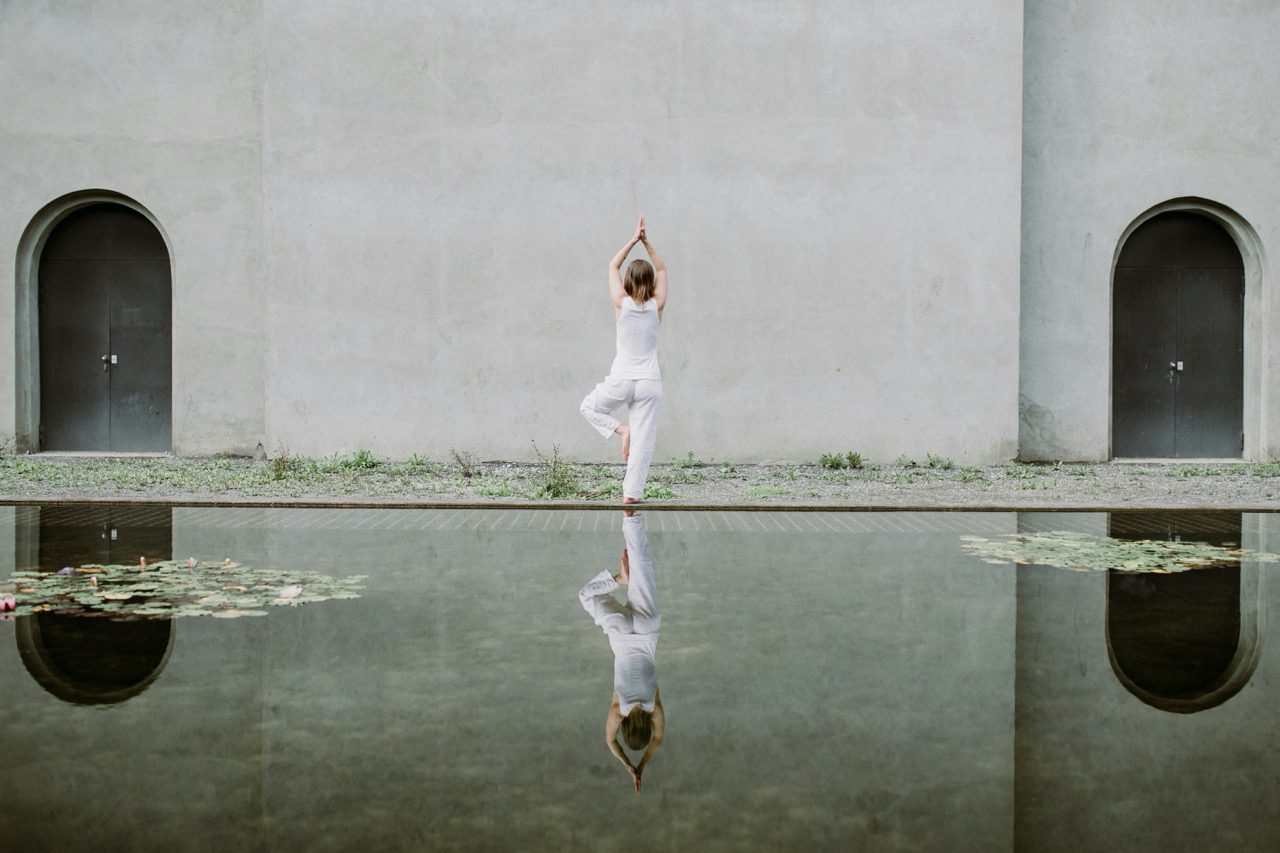
If you’ve ever wondered whether yoga is worth the hype, you’re not alone. People talk about yoga like it’s some kind of magic practice that fixes everything from tight hamstrings to chronic stress. But what’s really happening inside your body when you roll out that mat and start moving through poses?
The truth is, yoga creates real, measurable changes in your body. Some happen immediately during your first class. Others develop over weeks and months of regular practice. Understanding these changes can help you appreciate what’s happening beneath the surface, beyond just getting more flexible or learning to balance on one leg.
Let’s break down exactly what yoga does to your body, from your muscles and joints to your organs and nervous system.
1. Muscles: building strength in a completely different way
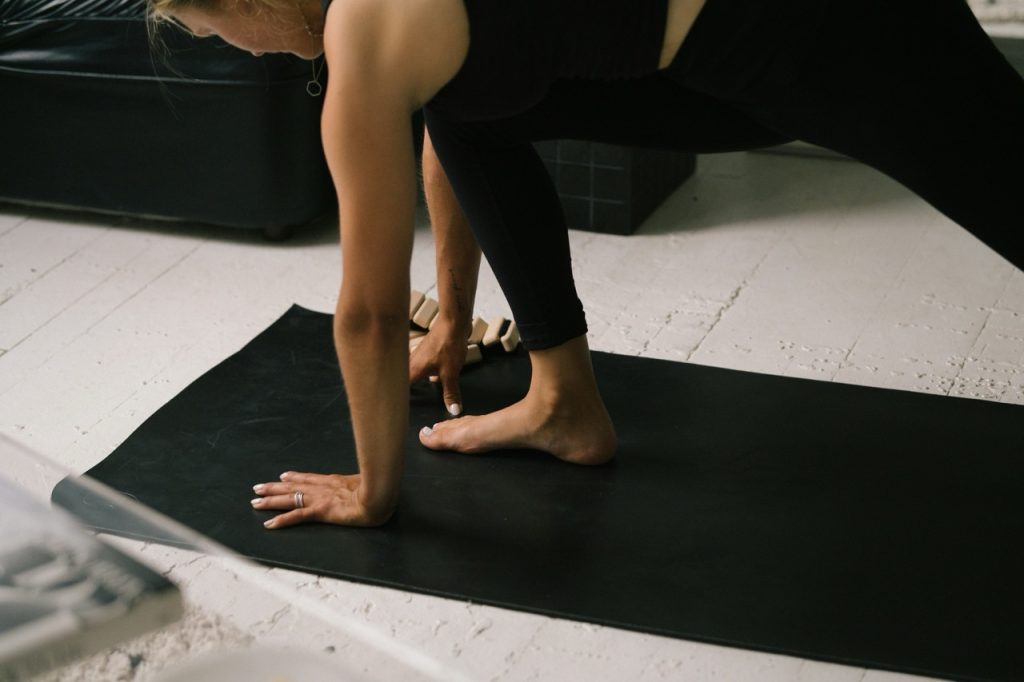
- Yoga builds functional strength – Unlike lifting weights at the gym where you isolate specific muscles, yoga builds what’s called functional strength. This means you’re working multiple muscle groups at once, the way your body actually moves in real life. When you hold Warrior II, you’re not just working your legs. Your core is engaged to keep you stable, your arms are active to hold the position, and dozens of smaller stabilizing muscles are firing to keep you balanced.This type of strength translates directly to daily activities. Carrying groceries, playing with kids, reaching for things on high shelves. All of these become easier because yoga trains your muscles to work together as a coordinated system.
- You’re holding your own body weight – Many yoga poses require you to support your body weight in various positions. Plank, Chaturanga, Arm Balances, even Downward Dog. You’re essentially doing bodyweight resistance training, which builds lean muscle without needing any equipment.What’s interesting is that yoga builds strength while simultaneously lengthening muscles. Traditional strength training can sometimes create tight, shortened muscles if you’re not stretching adequately. Yoga does both at once, which is why regular practitioners often have that long, lean look rather than bulk.
- Eccentric loading creates toned muscles- Yoga relies heavily on something called eccentric muscle contractions. This means your muscles are working while they’re lengthening, not just while they’re shortening. When you slowly lower down from Plank to Chaturanga, that’s eccentric loading. When you resist gravity as you fold forward, that’s eccentric work.This type of muscle work is particularly effective for building muscle tone and definition. It’s also gentler on your joints than concentric-only exercises, which is why yoga can build impressive strength without the joint wear that sometimes comes with other forms of exercise.
2. Flexibility: more than just stretching
- Connective tissue responds to sustained holds – When you hold a yoga pose for several breaths, you’re not just stretching your muscles. You’re also affecting the fascia, the connective tissue that wraps around every muscle, organ, and structure in your body. Fascia can become tight and restricted from repetitive movements, sitting too much, or old injuries.The sustained holds in yoga allow fascia to slowly release and reorganise. This is why you might feel much more open after holding a hip opener for two minutes compared to a quick 10-second stretch. You’re giving the connective tissue time to respond and adapt.
- Your range of motion improves – Flexibility in yoga isn’t about being able to do the splits or fold yourself in half (though those things might happen eventually). It’s about improving your functional range of motion so your body can move comfortably through daily activities without restriction or pain.Tight hips make it hard to squat down. Tight shoulders make reaching overhead difficult. Tight hamstrings contribute to lower back pain. Yoga systematically works through all these areas, creating space and mobility where you need it most.
- Active flexibility versus passive flexibility – Here’s something important: yoga develops active flexibility, meaning you have both the range of motion and the strength to control that range. This is different from passive flexibility where you can stretch into a position but don’t have the muscle control within that range.Active flexibility is safer and more functional. It means your joints are stable throughout their range of motion, which protects you from injury both on and off the mat.
3. Spine: movement in all directions
- Counteracting the effects of sitting – Most of us spend hours every day sitting, usually hunched over a computer or phone. This creates a specific pattern of tightness and weakness in the spine and surrounding muscles. Your hip flexors get tight, your chest collapses forward, and your spine loses its natural curves. Yoga moves your spine in every direction it’s designed to move: forward folds, backbends, twists, and side bends. This comprehensive movement maintains the health of the spinal discs, keeps the vertebrae mobile, and prevents the stiffness that often comes with age or sedentary habits.
- Spinal discs need movement to stay healthy – The discs between your vertebrae don’t have direct blood supply. They receive nutrients through a process called imbibition, which requires movement and changes in pressure. When you move through different yoga poses, you’re essentially feeding your spinal discs, keeping them hydrated and healthy. This is one reason why regular yoga practice can help prevent or manage back pain. You’re maintaining the health of the structures that support your spine while also building the core and back muscles that stabilize it.
- Your posture naturally improves – As you practice yoga regularly, you develop awareness of how you hold your body. You start noticing when you’re slouching at your desk or jutting your head forward while looking at your phone. Combined with the strength and flexibility you’re building, this awareness leads to naturally better posture. Better posture isn’t just about looking more confident. It affects how your organs function, how efficiently you breathe, and how much energy you expend just standing or sitting. Good posture reduces strain on muscles and joints, which translates to less pain and fatigue.

4. Joints: lubrication and stability
- Synovial fluid production increases – Your joints contain synovial fluid, which acts as lubrication to keep everything moving smoothly. Movement stimulates the production of this fluid. The varied movements in yoga take your joints through their full range of motion, which spreads synovial fluid throughout the joint capsule and keeps everything well-lubricated. This is particularly beneficial as we age, when joint stiffness becomes more common. Regular movement through yoga helps maintain joint health and can even alleviate symptoms of conditions like arthritis.
- You’re building stability, not just mobility – While yoga definitely increases flexibility, it also builds joint stability. The balance poses, the transitions between poses, the moments where you’re supporting yourself in unusual positions. All of these challenge your proprioception (your body’s sense of where it is in space) and strengthen the small stabilizing muscles around your joints. This stability is crucial for injury prevention. Flexible joints without adequate stability are actually at higher risk for injury. Yoga develops both, which is why it’s often used in rehabilitation and injury prevention programs.
5. Cardiovascular system: subtle but significant changes
- Your heart rate variability improves – Heart rate variability (HRV) is a measure of the variation in time between heartbeats. Higher HRV is associated with better cardiovascular health, stress resilience, and overall fitness. The combination of movement and breathwork in yoga has been shown to improve HRV, indicating a healthier, more adaptable cardiovascular system.
- Blood pressure tends to decrease – Multiple studies have found that regular yoga practice can lower blood pressure, particularly in people with hypertension. The relaxation response triggered by yoga, combined with the physical activity and improved circulation, creates a positive effect on blood pressure regulation. This doesn’t mean yoga replaces medication for people with high blood pressure, but it can be a valuable complementary practice. Always work with your healthcare provider when managing cardiovascular conditions.
- Circulation improves throughout your body – The combination of movement, breathwork, and inversions in yoga promotes better circulation. Poses where your legs are elevated above your heart help venous return (blood flowing back to your heart). Twists temporarily compress organs and tissues, then release fresh blood when you unwind. Deep breathing increases oxygen in your blood. Better circulation means more oxygen and nutrients reaching your cells, more efficient waste removal, and better overall cellular function. You might notice this as improved energy levels, better skin, or faster recovery from workouts.

6. Breath: capacity and control
- Your lung capacity expands – The pranayama (breathing techniques) practiced in yoga train your respiratory muscles and increase lung capacity. You learn to use more of your lung volume, breathing more deeply into the lower lobes rather than taking shallow chest breaths. Greater lung capacity means more oxygen available for your cells with less effort. This improves endurance, reduces breathlessness during physical activity, and supports better overall health.
- Your diaphragm strengthens and functions better – Many people breathe primarily with their chest muscles rather than their diaphragm, the large muscle designed to do most of the work of breathing. Yoga retrains you to breathe diaphragmatically, which is more efficient and calming for your nervous system. A strong, functional diaphragm also supports your core stability. It works in coordination with your pelvic floor and deep abdominal muscles to stabilize your spine. This is another reason why breath is so emphasized in yoga practice.
- You gain conscious control over your breath – Beyond the physical changes, yoga teaches you to consciously control your breathing patterns. This might seem simple, but it’s actually a powerful tool. Your breath is the only part of your autonomic nervous system that you can consciously control, which makes it a bridge between your conscious and unconscious processes. Learning to slow and deepen your breath gives you a tool you can use anywhere to calm anxiety, manage pain, or shift your mental state. This skill extends far beyond your yoga mat into your daily life.
7. Nervous system: from stressed to balanced
- The relaxation response becomes accessible – Yoga activates what’s called the relaxation response, the opposite of the stress response. Your heart rate slows, blood pressure drops, stress hormones decrease, and your body shifts into a state where healing and recovery can happen. With regular practice, this relaxation response becomes easier to access. You’re essentially training your nervous system to shift out of stress mode more readily. This has profound implications for managing chronic stress, anxiety, and even conditions like chronic pain that are exacerbated by nervous system dysregulation.
- Your stress hormone levels change – Studies have measured decreased cortisol levels in people who practice yoga regularly. Cortisol is your primary stress hormone, and while it’s necessary for certain functions, chronically elevated cortisol contributes to numerous health problems including weight gain, sleep disturbances, weakened immunity, and increased inflammation. Lower baseline cortisol levels mean you’re less reactive to stressors and recover from stressful events more quickly. You might notice this as feeling less anxious, sleeping better, or simply feeling more resilient in the face of daily challenges.
- Your vagus nerve gets stimulated – The vagus nerve is a major nerve that runs from your brain through your body, affecting numerous organs and systems. It’s a key part of your parasympathetic nervous system (rest and digest mode). Certain yoga practices, particularly breathwork and gentle movement, stimulate the vagus nerve. Better vagal tone is associated with improved mood, reduced inflammation, better digestion, and stronger stress resilience. It’s one of the mechanisms through which yoga creates benefits that extend far beyond just physical fitness.
8. Balance and coordination: training your brain
- Proprioception improves dramatically – Proprioception is your body’s ability to sense where it is in space. Balance poses challenge and improve this sense. When you stand on one leg in Tree Pose or try to hold Warrior III, you’re training the proprioceptive sensors in your muscles, tendons, and joints. Better proprioception reduces fall risk, improves athletic performance, and helps with everyday activities like walking on uneven surfaces or catching yourself when you trip. It’s particularly valuable as we age, when proprioception naturally declines.
- Your brain creates new neural pathways – Learning new movement patterns, which happens constantly in yoga, stimulates neuroplasticity. Your brain forms new neural connections as you figure out how to get into poses, maintain balance, and coordinate breath with movement. This neuroplasticity extends beyond just physical movement. Challenging your brain in this way may support cognitive function and could even help maintain mental sharpness as you age.
- Reaction time improves – The balance challenges and transitions in yoga require quick, subtle adjustments. As you practice, your nervous system gets faster at making these corrections. This improved reaction time can benefit you in other activities and in daily life situations that require quick responses.
9. Your digestive system: gentle stimulation
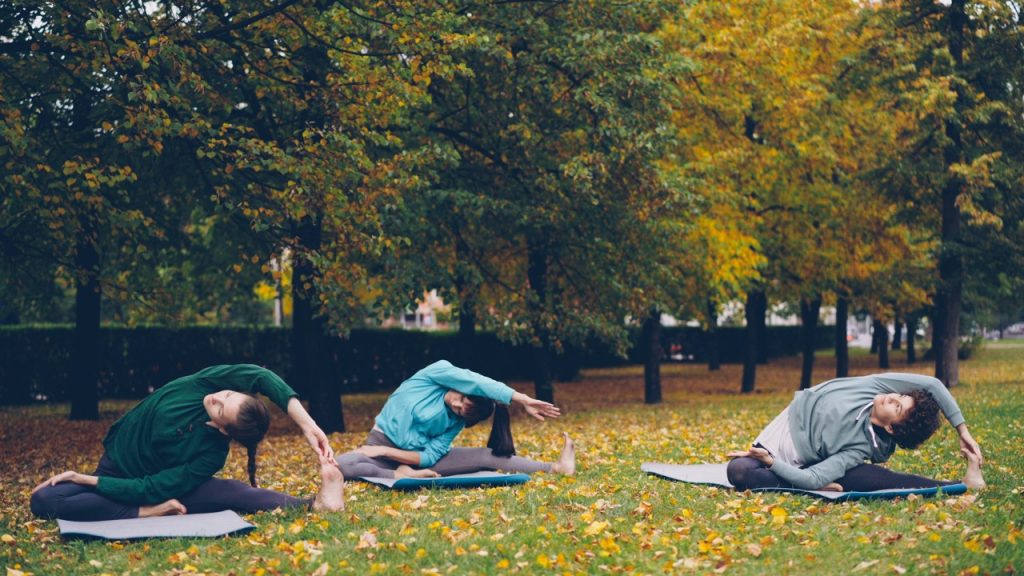
- Twists massage your internal organs – Yoga’s twisting poses create gentle compression and release of your abdominal organs. This massage effect can stimulate digestion and help move things along if you’re experiencing sluggishness or constipation. While this isn’t a replacement for proper nutrition and hydration, the physical stimulation from twists can support healthy digestive function. Many people notice improved regularity when they maintain a consistent yoga practice.
- Stress reduction improves gut function – Your digestive system is highly sensitive to stress. When you’re in fight-or-flight mode, digestion slows or stops because your body is prioritizing survival over digestion. The relaxation response triggered by yoga allows your digestive system to function optimally. This is one reason people often report better digestion, reduced bloating, or improvement in conditions like IBS after starting a regular yoga practice. The mind-gut connection is real, and yoga addresses both sides of that relationship.
- Inversions offer a different perspective – Gentle inversions where your hips are elevated above your heart can have subtle benefits for your digestive organs. The change in gravity affects blood flow and can help with things like bloating or heaviness. Even simple poses like Legs Up the Wall can feel incredibly relieving for your digestive system after a heavy meal or during times of digestive discomfort.
10. Sleep: quality and patterns improve
- You fall asleep more easily – Many people who practice yoga regularly report falling asleep more quickly. This makes sense when you consider that yoga activates your parasympathetic nervous system and reduces racing thoughts. Your body is in a more relaxed state, making the transition to sleep easier. Certain types of yoga, particularly gentle evening practices with forward folds and restorative poses, are especially effective for preparing your body and mind for sleep. Even just 15-20 minutes of gentle movement and breathing before bed can make a noticeable difference.
- Your sleep becomes deeper and more restorative – It’s not just about falling asleep. People who practice yoga often report sleeping more deeply and waking feeling more refreshed. The physical exertion combined with stress reduction creates conditions for higher quality sleep. Better sleep, in turn, affects everything else: your energy levels, mood, immune function, ability to manage stress, and even your appetite and metabolism. Quality sleep is foundational to health, and yoga supports it naturally.
- Sleep disorders may improve – For people dealing with insomnia or other sleep disturbances, yoga can be a valuable tool. While it’s not a replacement for medical treatment when needed, studies have shown yoga can reduce insomnia severity and improve sleep quality in people with various sleep disorders. The combination of physical relaxation, mental calming, and nervous system regulation creates the conditions your body needs for healthy sleep patterns to emerge.
11. Your mental state: clarity and calm
- Your stress response becomes less reactive – While this overlaps with nervous system changes, it’s worth highlighting separately. Regular yoga practice literally changes how you respond to stress. You might find that things that used to send you into a tailspin don’t affect you as strongly. You recover from stressful events more quickly. You have more space between stimulus and response. This isn’t about suppressing emotions or becoming passive. It’s about having a more regulated nervous system that doesn’t overreact to every challenge. You become more resilient and adaptable.
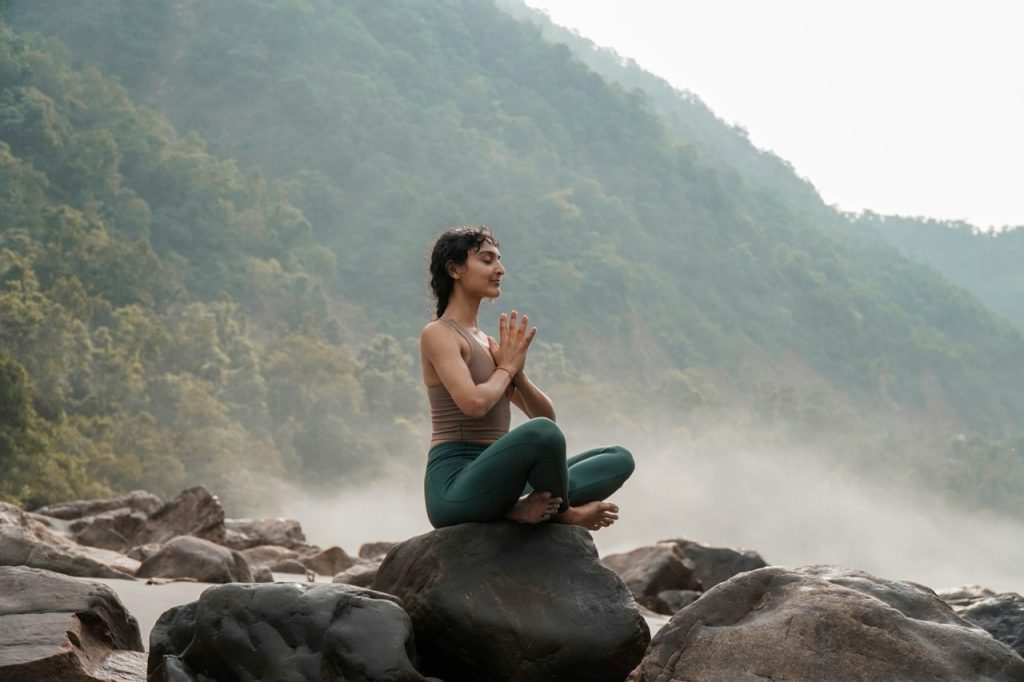
- Your focus and concentration improve – The practice of holding poses, coordinating breath with movement, and staying present all train your attention. This focused attention is essentially meditation in motion. Over time, this practice of concentration extends beyond your mat. You might notice improved ability to focus at work, less mental fog, or better ability to stay present in conversations. These cognitive benefits are one reason yoga is increasingly used in educational and corporate settings.
- Anxiety and depression symptoms often decrease – While yoga isn’t a substitute for mental health treatment when needed, numerous studies have found that regular practice can reduce symptoms of both anxiety and depression. The mechanisms are multiple: increased GABA (a calming neurotransmitter), reduced inflammation, improved stress response, better sleep, and the meditative aspects of practice. For many people, yoga becomes a valuable tool in their mental health toolkit, complementing other treatments and providing a sense of agency and control in managing their wellbeing.
12. Immune system: subtle strengthening
- Inflammation markers decrease – Chronic inflammation is at the root of many health conditions, from heart disease to autoimmune disorders. Research has shown that regular yoga practice can reduce markers of inflammation in the body. This likely happens through multiple mechanisms: stress reduction lowers inflammatory cortisol, improved circulation helps remove inflammatory compounds, and the physical movement itself has anti-inflammatory effects. The result is a less inflamed, healthier body overall.
- Lymphatic drainage improves – Your lymphatic system is responsible for removing waste and toxins from your body, but unlike your cardiovascular system, it doesn’t have a pump. It relies on movement to function. The varied movements in yoga, particularly inversions and poses that compress and release different body areas, stimulate lymphatic drainage. Better lymphatic function means more efficient toxin removal and potentially stronger immune response. While yoga isn’t a detox miracle cure, it does support your body’s natural detoxification processes.
- Stress reduction supports immune function – Chronic stress suppresses immune function, making you more susceptible to infections and slower to heal from injuries. The stress-reducing effects of yoga, therefore, indirectly support your immune system by allowing it to function optimally rather than being suppressed by stress hormones.
How quickly will you notice these changes?
Immediate effects
Some benefits you’ll feel right away, even from your first class:
- A sense of relaxation and calm
- Reduced muscle tension
- Clearer breathing
- A feeling of having moved and stretched your body
- Mental clarity and reduced mental chatter
Within a few weeks
With consistent practice (even just 2-3 times per week), you’ll start noticing:
- Improved flexibility, especially in chronically tight areas
- Better sleep quality
- Reduced stress levels
- Increased energy
- Some improvement in strength and balance
- Better body awareness
After a few months
This is when more substantial changes become apparent:
- Significant gains in strength and flexibility
- Noticeable postural improvements
- Better stress management and emotional regulation
- Changes in body composition
- Improved balance and coordination
- Reduction in chronic pain or discomfort
- Enhanced athletic performance in other activities
Long-term practice
People who practice yoga for years experience:
- Maintained mobility and strength as they age
- Resilient stress response and emotional balance
- Deep body awareness and intuitive movement
- Prevention of age-related decline in balance and coordination
- A sense of connection between physical, mental, and emotional wellbeing
Getting the most from your practice
Consistency matters more than intensity
You’ll get more benefit from practicing 20 minutes five times a week than doing one intense 90-minute class weekly. Consistency allows your body to adapt and integrate the changes. It also makes the nervous system benefits more accessible since you’re regularly reinforcing the relaxation response.
Proper alignment prevents injury and maximizes benefits
Yoga is generally very safe, but like any physical practice, poor alignment can lead to strain or injury. More importantly, proper alignment ensures you’re actually accessing the intended benefits of each pose rather than compensating with the wrong muscles or bypassing the areas that need work.
This is where personalized guidance makes a real difference. In a crowded group class, teachers can’t always see what’s happening in your body or provide individual adjustments. If you’re serious about developing a sustainable practice and want to understand how poses should actually feel in your unique body, working one-on-one with an experienced teacher accelerates your progress significantly.
Through online 1-1 yoga sessions, you can receive focused attention on your alignment, get modifications for your specific needs or limitations, and develop a practice that actually addresses your goals rather than following a generic sequence. Whether you’re dealing with an old injury, want to build a home practice, or simply learn proper technique from the start, personalized instruction ensures you’re building a strong foundation. You can explore available private sessions here and start your practice with expert guidance from the beginning.
Listen to your body
The physical changes from yoga should feel good overall. You’ll experience challenge and sometimes discomfort as you work through tight areas, but you should never feel sharp pain or strain. Learning to distinguish between productive discomfort and harmful pain is an important skill that develops with practice and guidance.
Your body’s needs will vary from day to day. Some days you’ll have energy for a vigorous practice, other days you need something gentler. Honoring these fluctuations rather than pushing through regardless is part of what makes yoga sustainable long-term.
Give it time
Physical transformation takes time. Your body is adapting at the cellular level, remodeling tissues, building new neural pathways, and adjusting to new movement patterns. Be patient with the process and trust that consistent practice creates cumulative benefits, even when progress feels slow.
The comprehensive impact on your whole body
What makes yoga unique among exercise systems is how comprehensive its effects are. You’re not just working your muscles or cardiovascular system in isolation. You’re affecting your musculoskeletal system, nervous system, cardiovascular system, respiratory system, digestive system, immune system, and even your brain all at once.
This whole-body approach is why people often report benefits that seem unrelated to what they thought they were signing up for. You start yoga for back pain and notice your sleep improves. You come for stress relief and find yourself getting stronger. You want flexibility and discover better focus.
Your body is an interconnected system, and yoga works with that reality rather than fragmenting it. The physical poses are just one aspect of a practice that addresses you as a complete person. Combined with breathwork, mindfulness, and the ethical framework of yoga’s eight limbs, the practice offers tools for transformation that extend far beyond physical fitness.
Whether you’re looking to build strength, increase flexibility, manage stress, recover from injury, or simply move your body in a way that feels good, yoga creates real, measurable changes that support your overall health and wellbeing. The key is simply beginning, staying consistent, and giving your body the time it needs to adapt and transform.


